
Published on: 2026-07-20 | Written by: Dr. Mohamed Bakheet, Consultant Gastroenterologist and Hepatologist
Gallstones and Gallbladder Inflammation | Causes, Symptoms, and the Latest Surgical Treatment Methods
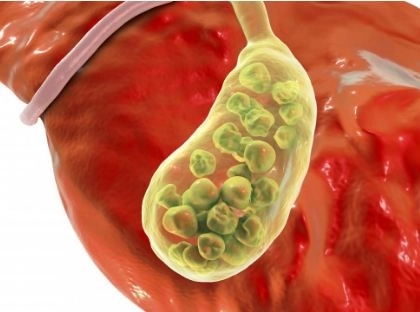
What Are Gallstones and Gallbladder Inflammation?
Dr. Mohamed Bekheet emphasizes that gallstones develop due to the accumulation of cholesterol or bile pigments inside the gallbladder, which may lead to acute or chronic inflammation and blockage of the bile ducts if not diagnosed and treated at the appropriate time, causing severe pain in the upper right side of the abdomen that may radiate to the shoulder or back, along with nausea, vomiting, and digestive problems.
What Are the Causes of Gallstones?
Dr. Mohamed Bekheet explains that increased cholesterol levels in bile, obesity, rapid weight loss, diabetes, genetic factors, aging, and certain liver diseases are among the most common factors that increase the risk of gallstone formation and gallbladder inflammation, making early diagnosis essential to prevent serious complications.
What Are the Symptoms of Gallstones and Gallbladder Inflammation?
Dr. Mohamed Bekheet confirms that symptoms of gallstones and gallbladder inflammation may include severe biliary colic especially after fatty meals, persistent pain in the upper right abdomen, fever, nausea, vomiting, and yellowing of the skin and eyes in some cases due to bile duct obstruction, which requires prompt medical evaluation to determine the appropriate treatment.
How Are Gallstones Treated?
Dr. Mohamed Bekheet points out that treatment depends on the patient's condition and severity of symptoms, and in cases associated with recurrent pain, inflammation, or complications, laparoscopic gallbladder removal (laparoscopic cholecystectomy) is considered the safest and most effective treatment, as the procedure is performed through small incisions that help reduce pain, speed up recovery, and allow patients to return to normal activities quickly.
Advantages of Laparoscopic Gallbladder Surgery
Dr. Mohamed Bekheet emphasizes that laparoscopic gallbladder removal is considered the gold standard treatment for gallstones and gallbladder inflammation, as it provides high precision, a high success rate, minimal blood loss, smaller incisions, fewer complications, shorter hospital stays, and faster recovery while achieving optimal therapeutic results.
How Are Gallbladder Diseases Diagnosed?
Medical examinations explain that diagnosing gallbladder diseases depends on the patient's medical history, clinical examination, liver function tests, abdominal ultrasound, and in some cases CT scans, MRI, or endoscopic bile duct procedures to reach an accurate diagnosis and develop the most appropriate treatment plan.
Postoperative Instructions After Gallbladder Surgery
Medical guidelines confirm that following prescribed medications, maintaining a healthy low-fat diet during the first weeks after surgery, drinking sufficient fluids, gradually increasing physical activity, and attending regular follow-up appointments help promote recovery and reduce the possibility of postoperative complications.
How Can Gallstones Be Prevented?
Recent medical studies indicate that maintaining a healthy weight, following a balanced diet rich in fiber, avoiding rapid weight loss, exercising regularly, and controlling chronic conditions such as diabetes can help reduce the risk of gallstone formation and maintain digestive system health.